The Ultimate Guide to Ceramic Fiber Cloth for High-Temperature Insulation
December 11 , 2025
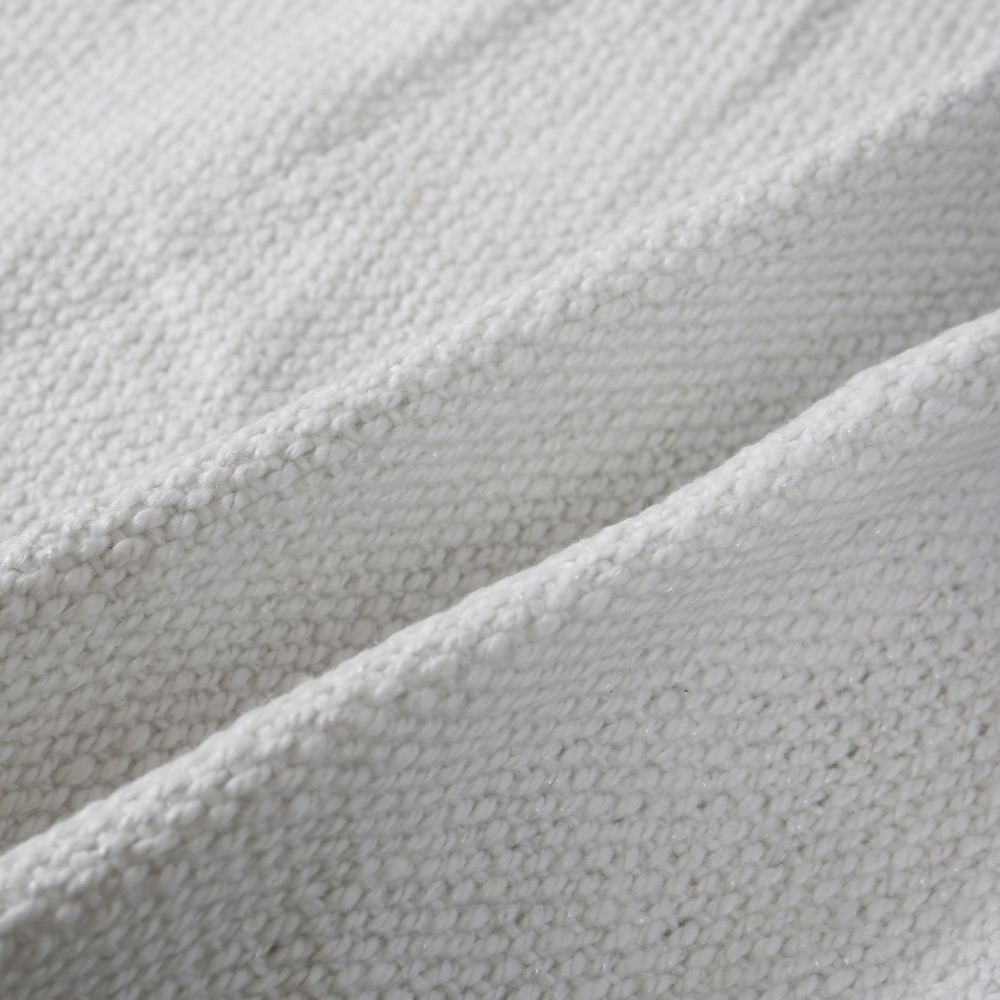
A ceramic fiber cloth is one of the most versatile and reliable high-temperature insulation materials used across industrial sectors today. Known for its exceptional heat resistance, flexibility, and thermal stability, ceramic fiber cloth plays a vital role in furnace insulation, fire protection, welding safety, and equipment protection.
What Is Ceramic Fiber Cloth?
Ceramic fiber cloth is a woven textile made from alumino-silicate ceramic fibers combined with reinforced materials such as fiberglass or stainless-steel wire. This combination allows the cloth to maintain structural integrity even under extreme temperatures.
Material Composition & Manufacturing Process
Ceramic fiber cloth typically includes:
47–53% SiO₂ (Silica)
47–53% Al₂O₃ (Alumina)
Woven structure for strength and flexibility
Optional reinforcement using:
Fiberglass thread (to 550°C)
Stainless steel wire (to 1050°C)
Key Performance Features
Withstands continuous heat up to 1000°C
Low thermal conductivity
Non-combustible
Excellent mechanical strength
Resistant to thermal shock and vibration
How Ceramic Fiber Cloth Works in Thermal Insulation
High-Temperature Resistance Mechanism
Ceramic fibers are inorganic and refractory, meaning they won’t melt, burn, or degrade under high heat. This makes ceramic fiber cloth ideal for harsh thermal environments.
Heat Shielding, Fire Protection & Energy Saving
The cloth creates an insulating barrier that:
Blocks radiant heat
Reduces heat transfer
Protects equipment from fire and hot surfaces
Improves energy efficiency in industrial processes
Applications Across Industries
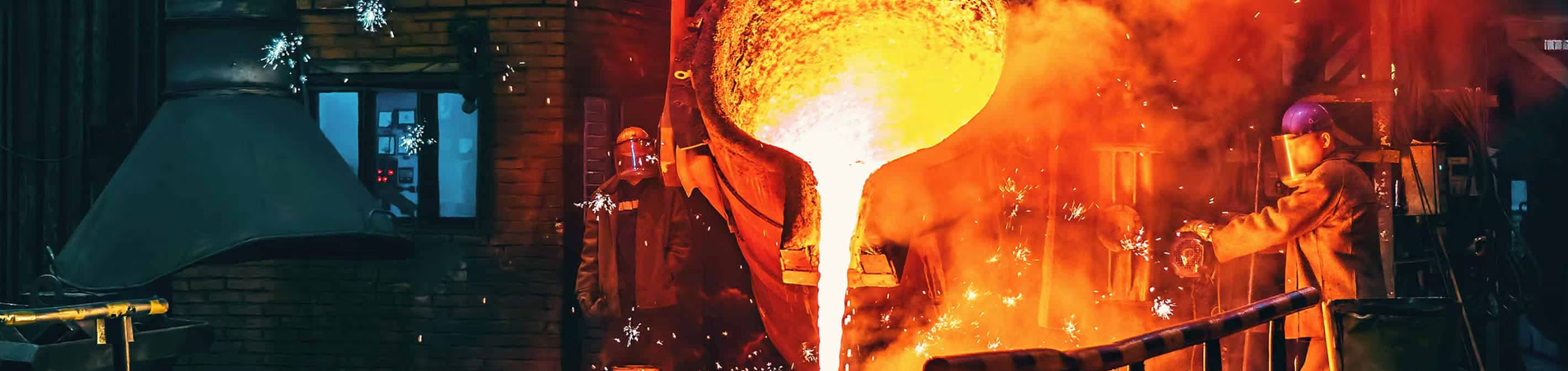
Foundry, Metallurgy & Furnace Insulation
Used to insulate:
Kiln doors
Furnace linings
Ladles
Gaskets
Expansion joints
Petrochemical & Power Generation
Ideal for:
Heat exchangers
Pipe protection
Pump housings
Turbine insulation
Fireproofing, Welding & Industrial Protection
Ceramic fiber cloth is commonly used as:
Welding blankets
Fire curtains
High-temperature protective shields
Spray splash protection
Benefits of Using Ceramic Fiber Cloth
Excellent Thermal Stability
Ceramic fiber cloth can handle rapid heating and cooling cycles without cracking or degrading.
Lightweight & Flexible Structure
Easy to cut, fold, sew, and mount—making installation simple across various applications.
Chemical & Corrosion Resistance
Ceramic fibers resist most acids, alkalis, and corrosive chemicals, except hydrofluoric acid and strong alkaline environments.
Ceramic Fiber Cloth vs. Other Insulation Materials
Ceramic Fiber vs. Fiberglass Cloth
Feature
Ceramic Fiber
Fiberglass
Max Temp
1000–1260°C
550–650°C
Fire Resistance
Excellent
Moderate
Flexibility
High
High
Best Use
Extreme heat
Mid-range heat
Ceramic Fiber vs. Silica Cloth
Feature
Ceramic Fiber
Silica Cloth
Flexibility
Softer
Stiffer
Temperature
High
Very High
Cost
Moderate
Higher
Applications
General high-temp
Furnace, molten metal
How to Choose the Right Ceramic Fiber Cloth
Temperature Rating & Density
Higher density = better insulation but slightly lower flexibility.
Thickness & Reinforcement Options
Available in 1mm–6mm thickness; stainless steel reinforcement is recommended for extreme heat.
Coating Types
Different coatings improve performance:
Vermiculite: Enhances abrasion resistance
Graphite: Improves flame and chemical resistance
Silicone: Adds waterproofing
Aluminum Foil: Reflects radiant heat
Installation Guide
Cutting, Shaping & Mounting Methods
Cut with industrial scissors or blades
Sew using high-temp thread
Attach with clamps, adhesives, or mechanical fasteners
Safety Tips & Best Practices
Wear gloves and masks to avoid fiber irritation
Avoid using near hydrofluoric acid
Store in dry, ventilated locations
Maintenance and Storage Guidelines
Inspect periodically for surface wear
Replace damaged sections promptly
Store in sealed packaging to avoid moisture absorption
Keep away from sharp tools to prevent cuts
FAQs About Ceramic Fiber Cloth
1. What temperature can ceramic fiber cloth withstand?
Standard cloth handles 1000°C; premium grades reach up to 1260°C.
2. Can ceramic fiber cloth be used for welding blankets?
Yes, it is widely used for welding protection due to excellent thermal resistance.
3. Does ceramic fiber cause skin irritation?
It may cause mild irritation—use gloves and avoid direct contact.
4. What reinforcements are available?
Fiberglass (medium heat) and stainless steel wire (high heat).
5. Is ceramic fiber cloth environmentally safe?
It contains no asbestos and complies with most industrial safety standards.
A ceramic fiber cloth is an essential high-temperature insulation material that provides superior durability, flexibility, and thermal protection across various industries. Whether used in furnaces, welding operations, petrochemical plants, or fireproofing systems, ceramic fiber cloth significantly enhances safety and operational efficiency. Choosing the right grade and reinforcement ensures long-lasting performance and reliability.