
A sleeve can pass a length inspection on the receiving bench and still leave part of an assembly uncovered. The purchase drawing may specify a cut dimension without defining the measurement condition or the coverage required after installation.
For silica sleeve cut lengths, three details belong together: the finished dimension, the condition of each end and the way the sleeve will be fitted. Agreeing these details before production gives the buyer and manufacturer the same basis for sample approval and repeat orders.
BSTFLEX supplies continuous lengths and pre-cut pieces within its silica sleeve range. Custom length, packaging and OEM requirements can be reviewed against the customer's assembly. Any special end treatment should be confirmed for the selected construction rather than assumed to be included.
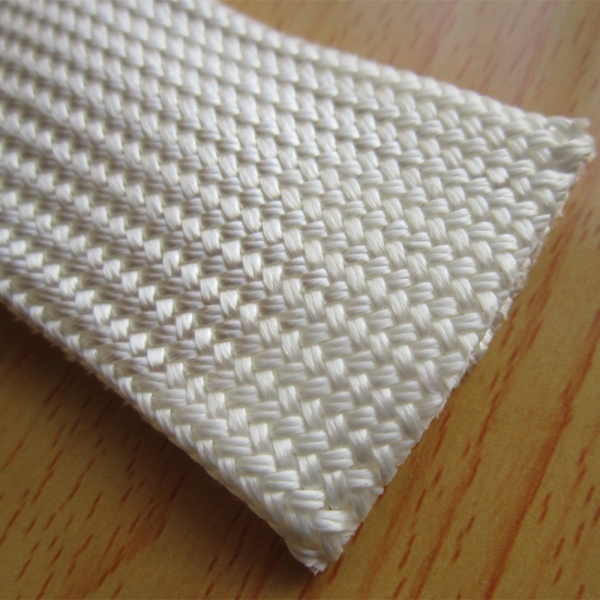
Choose the Supply Format Around the Assembly Process
Roll supply leaves the cutting operation with the customer. It can be practical when maintenance teams use several lengths or when a prototype route is still changing. The customer then needs a defined cutting and inspection process for the finished pieces.
A cut-to-length silica sleeve order moves that operation upstream. The customer specifies the finished pieces required for each assembly, while the agreed drawing defines their acceptance. This is worth considering when the same protected sections recur across a production batch.
For assemblies using several sleeve lengths, list each piece separately rather than ordering only a total number of meters. BSTFLEX's cut-to-length services provide a starting point for discussing production supply; the achievable tolerance still needs confirmation for the actual material, size and measurement method.
Separate Cut Length, Finished Length and Installed Coverage
These dimensions can be related, but they are not interchangeable. Use distinct names on the drawing so that a cutting instruction is not mistaken for an installed performance requirement.
| Dimension | What it describes | Where it belongs |
|---|---|---|
| Cut blank length | The material length at the cutting stage, before any operation that changes the finished ends. | Manufacturing instructions, where a separate blank dimension is needed. |
| Finished supplied length | The delivered piece after the agreed finishing operations, measured in the specified condition. | Purchase drawing and incoming inspection record. |
| Installed coverage | The required extent of sleeve coverage on the assembled component between identified locations. | Assembly drawing and fit approval. |
A braided sleeve can shorten as its diameter expands. Pulling it lengthwise also changes its geometry, so a free-state measurement does not establish the coverage obtained around every component. The braided silica sleeve installation guide explains this relationship.
Do not add a universal allowance such as ten percent to every order. Establish the required finished length on the proposed sleeve construction and representative assembly. Any dimensional change after a specified heat cycle should be assessed separately from the immediate change caused by fitting the braid.
Make the Length Tolerance Measurable
A tolerance is useful only when both parties inspect the same thing. State whether the sleeve is measured relaxed on a flat surface, on a defined mandrel or under an agreed measurement load. Do not allow one inspector to pull the textile taut while another measures it without tension.
Also identify the measurement endpoints. Specify whether the dimension includes a permanent end treatment and where the continuous textile edge is assessed. A few projecting fibers should not be allowed to determine the entire piece length unless the agreed method explicitly requires it.
Define the minimum coverage and maximum permissible extension separately when both matter. Too little coverage may leave a required section exposed; excess material may interfere with a connector, bracket or service point.
Before tightening the tolerance, establish which requirement the assembly actually needs. A precise free-state dimension is not a substitute for checking installed fit.
Describe What Each Finished End Must Do
Silica sleeve end finishing should be specified by function before a particular process is chosen. One end may need to pass over a connector; another may sit beneath a customer-installed restraint. Those ends do not necessarily need the same configuration.
Plain Cut Ends
Where the design calls for untreated ends, state that requirement. Agree the acceptable cut condition and inspect the opening for handling and installation. Avoid the vague instruction “clean cut” without a sample or acceptance description.
The useful question is whether the edge remains suitable for the intended assembly process, including unpacking and connector pass-over, rather than whether every fiber lies perfectly flat in a photograph.
Ends Requiring Additional Stabilization
Where edge stability is important, ask BSTFLEX to review the requirement for the selected sleeve. A proposed treatment must be evaluated for its effect on the opening, local flexibility, installed dimensions and operating environment.
A request for an “anti-fray finish” is not a complete specification. Define what condition must be maintained, during which handling or operating stages, and how it will be inspected. Special finishes are subject to technical and production confirmation; they are not standard features of every silica sleeve.
Ends Retained During Customer Assembly
When the customer secures the sleeve with a separate restraint, identify the retention zone and any required overlap on the assembly drawing. Make clear whether the supplier provides only the cut sleeve or also a separately approved finishing operation.
Keep responsibility for retention distinct from responsibility for cutting. A supplied cut length should not silently include an allowance for an unspecified customer operation.
Do Not Give an End Treatment the Fiber's Temperature Rating
Review any added coating, thread, adhesive or restraint as part of the proposed assembly. Do not assume its temperature capability matches that of the silica textile.
Specify the environment at the sleeve end, which may differ from the hottest section of the sleeve body. Include any fluid exposure or movement that affects the termination, and confirm whether the proposed treatment is intended only to assist handling or to remain functional in service.
Temporary packaging ties and handling aids should be identified as temporary. They should not become permanent installation components simply because they arrived attached to the sleeve.
A Drawing Example: One Piece, Two Acceptance Conditions
The following example illustrates a specification format. Its dimensions are not standard BSTFLEX sizes, promised tolerances or a proven fit recommendation.
| Drawing field | Example requirement |
|---|---|
| Finished supplied length | 520 mm, proposed tolerance ±5 mm, subject to manufacturing confirmation. |
| Length measurement | After the agreed finishing operations, in a defined relaxed condition on a flat surface. |
| Component body | 25 mm outside diameter. |
| Installation obstruction | 34 mm maximum connector dimension; assess whether installation over the connector is practical. |
| Installed coverage | At least 460 mm of continuous coverage between datum A and datum B on the assembly drawing. |
| End condition | Both ends as approved on the sample; identify any permanent treatment separately. |
| Sleeve construction | Supplier-proposed size and construction, subject to fit and application approval. |
Passing the 520 mm supplied-length check does not automatically prove that the installed assembly meets the 460 mm coverage requirement. Check both.
If the sample will not pass the connector without unacceptable distortion, review the sleeve size or assembly sequence. Increasing cut length alone does not solve an unsuitable diameter. The silica sleeve sizing guide covers the dimensional checks needed before fixing the order.
Approve End Condition After Handling, Not Only After Cutting
An end can look acceptable immediately after cutting yet be unsuitable for the customer's assembly sequence. Include representative unpacking, positioning and installation in the sample review.
Ask the inspection team to distinguish projecting surface fibers from yarn displacement that opens the sleeve wall. Agree the acceptable condition for the project rather than using “zero fraying” as an undefined purchasing phrase.
Where ends must pass close to terminals, sealing faces or other sensitive areas, define the cleanliness and handling requirements in advance. Specify any special acceptance criteria for quotation; do not assume an ordinary cut textile is supplied to an unstated cleanroom or particle-release standard.
For repeat orders, retain photographs of the approved edge condition alongside the dimensional record. Photographs support the written criteria; they do not replace them.
Keep Similar Parts Separate in Packaging
Pieces with the same inside diameter can still differ in length, construction, end condition or intended location. Identify the part number and drawing revision on the agreed packaging, not just the generic description “silica sleeve.”
For an assembly using several cut lengths, request separate packs or a proposed kit arrangement. Confirm quantities and identification before production. Kitting requirements, special labels and traceability documents should be included in the quotation rather than assumed after the order is placed.
Ask for packing that preserves the approved end condition through delivery. Where individual piece marking is required, specify whether the mark remains on the component in service and submit the marking requirement for review.
Release the Sample and Drawing Together
Approve more than the nominal sleeve length. Record the product construction, measurement method, finished dimensions, end condition and installation result on the same sample approval.
For a moving assembly, inspect the required coverage through the agreed movement range. Where the end treatment is part of the thermal design, include its condition in the relevant application evaluation.
Retain an identified reference sample and its drawing revision. Define which subsequent changes require review, particularly substitutions in yarn, finishing materials or the method used to establish length.
This gives repeat orders a documented reference. An instruction to “make it like the previous sleeve” is much less useful when production, purchasing and inspection teams change.
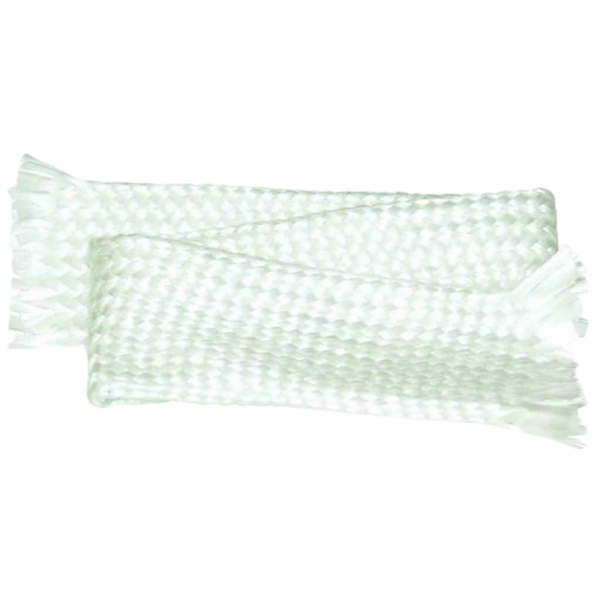
BSTFLEX Silica Sleeve Options for Cut-Length Orders
The High Temperature Resistant Braided Silica Sleeve is a starting point for cut-piece requirements around hoses, cables, wiring and suitable tubing. Include connector dimensions and the installation sequence when requesting a size recommendation.
For a texturized-yarn product, review the Heat Insulation Texturized Silica Sleeve. Specify the same delivered-length and end-condition requirements; the product name alone does not define a cutting tolerance or finishing method.
BSTFLEX can review custom cut lengths, continuous supply and packaging requirements for OEM orders. Dimensions, proposed end treatments, inspection criteria and production terms should be agreed for the selected item before order release.
Send an Assembly Drawing With Your Cut-Length Inquiry
For a quotation, provide the selected product or required construction, component outside diameter, largest installation obstruction, finished supplied length and installed coverage requirement. Add the proposed tolerance, measurement method, end condition, operating environment, packaging and quantity.
Where a detail is not yet defined, identify it as a sample-development requirement. This lets the quotation distinguish confirmed production work from an end-finishing proposal that still needs evaluation.


 Rede IPv6 suportada