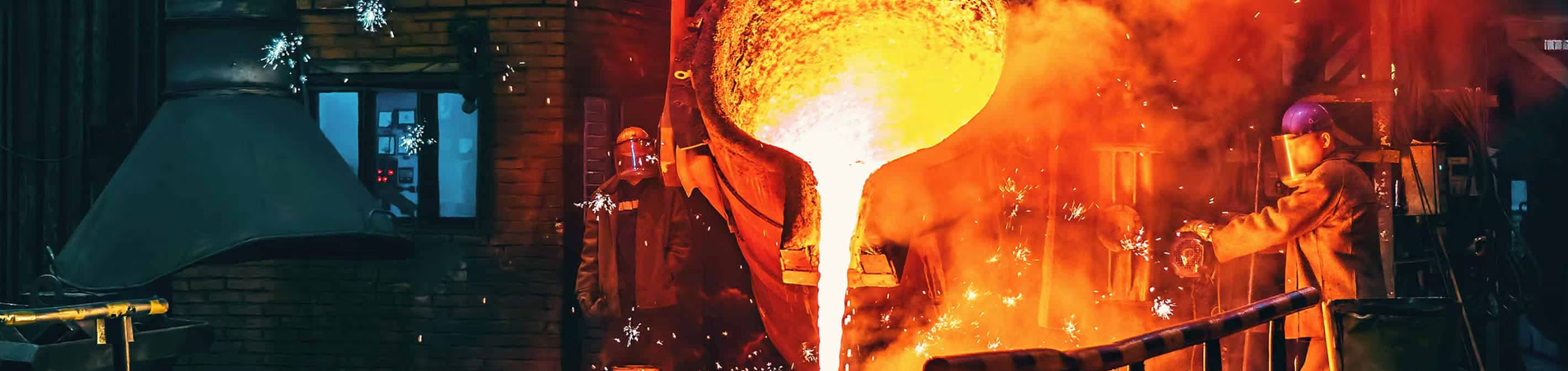
Aluminum Foil Silica Fabric for Radiant Heat Shielding
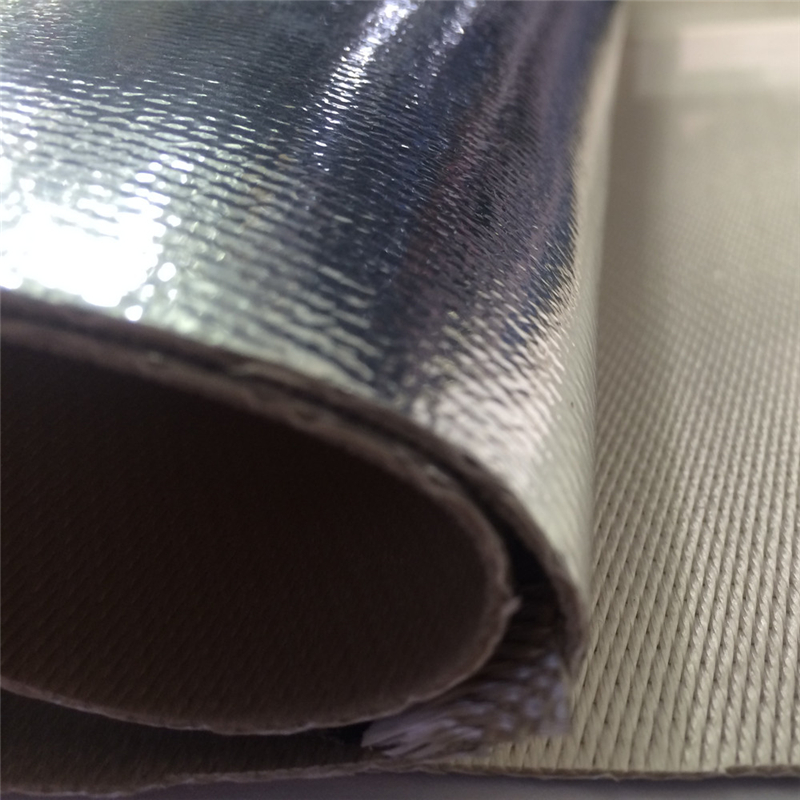
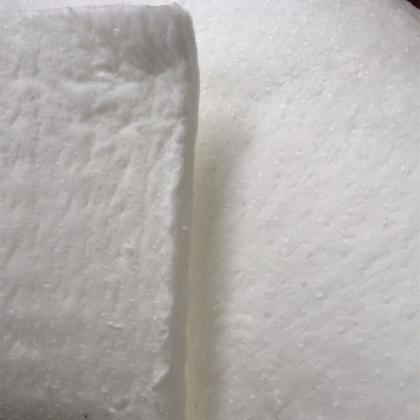
Aluminum foil silica fabric is a high-temperature thermal barrier material designed for radiant heat shielding, exhaust insulation, engine compartment protection, furnace heat screens and industrial equipment insulation. It combines a heat-resistant silica fabric base with an aluminum foil surface that helps reflect radiant heat away from protected components.
Compared with plain silica fabric, foil laminated silica fabric provides better surface reflection against radiant heat. The silica fabric layer provides thermal stability, while the aluminum foil layer improves heat reflection and surface protection. This makes the material useful for applications where heat travels mainly by radiation rather than direct contact.
BSTFLEX supplies aluminum foil laminated silica fabric based on 96% high silica fabric, 70% silica fabric and custom fabric constructions. Available options include different foil thicknesses, fabric weights, roll widths, adhesive backing, die cutting, sewing and OEM fabricated heat shield products. View related options through our silica fabric product category.
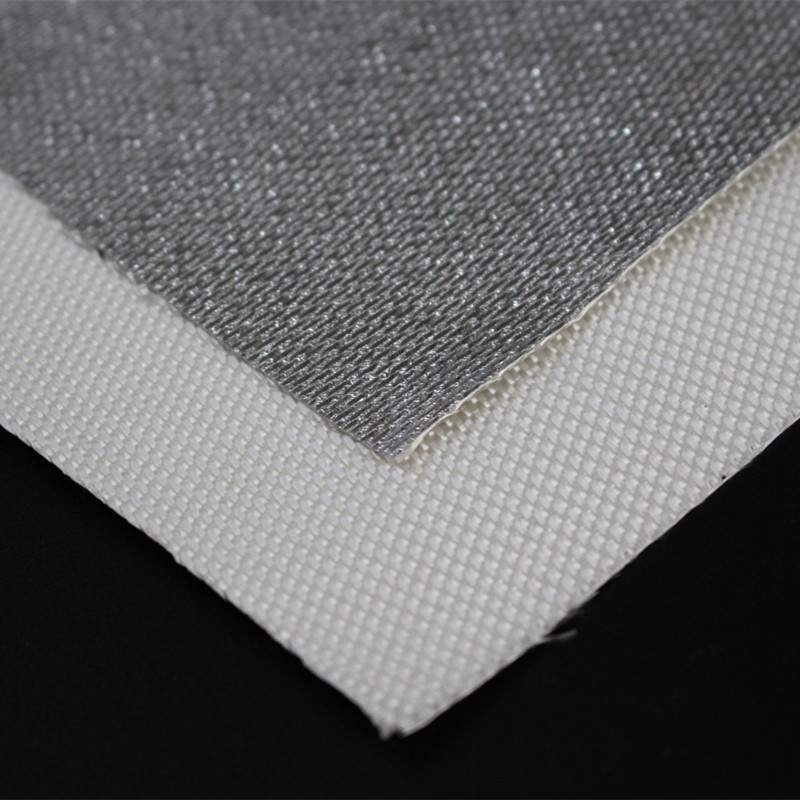
What Is Aluminum Foil Silica Fabric?
Aluminum foil silica fabric is produced by laminating aluminum foil onto a woven silica fabric base. The base fabric provides high-temperature resistance and flexibility, while the aluminum foil surface helps reflect radiant heat from exhaust pipes, engine parts, furnace zones, heated equipment and industrial process areas.
The material is not the same as ordinary aluminum foil. It is a composite thermal barrier fabric. The foil surface provides reflection, and the silica fabric provides strength, flexibility and heat resistance. This combination allows the material to be cut, sewn, laminated, wrapped, fixed or converted into finished heat shield components.
In many applications, radiant heat is the main problem. A nearby hose, cable, sensor, plastic part, painted surface or control component may fail even without direct flame contact. Foil laminated silica fabric helps reduce heat transfer by reflecting radiant energy away from the protected area.
Why Use Aluminum Foil on Silica Fabric?
Plain high silica fabric is excellent for thermal insulation, welding protection and direct heat resistance. However, when the application involves strong radiant heat, an aluminum foil surface can provide an additional heat reflection function.
| Requirement | Plain Silica Fabric | Aluminum Foil Silica Fabric |
|---|---|---|
| High temperature resistance | Excellent, depending on silica grade | Excellent, supported by the silica fabric base |
| Radiant heat reflection | Limited reflection | Strong reflective surface from aluminum foil |
| Surface protection | Textile surface | Foil surface improves heat-facing side protection |
| Best heat type | Contact heat, flame exposure and insulation | Radiant heat from exhaust, engines, furnaces and hot equipment |
| Common product form | Blankets, curtains, covers and insulation layers | Heat shields, thermal barriers, reflective wraps and insulation panels |
| Typical buyer | Welding, insulation and furnace protection users | Automotive, exhaust, equipment and thermal barrier manufacturers |
Main Applications of Aluminum Foil Silica Fabric
Aluminum foil silica fabric is selected when the material needs both high-temperature stability and radiant heat reflection. It is widely used in automotive, exhaust, furnace, equipment insulation and industrial thermal management applications.
Used near exhaust pipes, mufflers, catalytic converters, EGR tubes and turbo areas to reduce radiant heat transfer to nearby components.
Protects wiring harnesses, hoses, plastic parts, sensors and painted surfaces from radiant heat inside engine compartments.
Used as reflective curtains, panels or insulation layers near furnace doors, heating equipment and hot process areas.
Applied to machinery, tanks, ducts, enclosures and heated equipment where reflective surface protection is required.
Converted into laminated panels, die-cut pads or shaped heat shields for OEM thermal protection systems.
Used as the outer reflective layer on insulation jackets for valves, pipes, flanges, pumps and exhaust components.
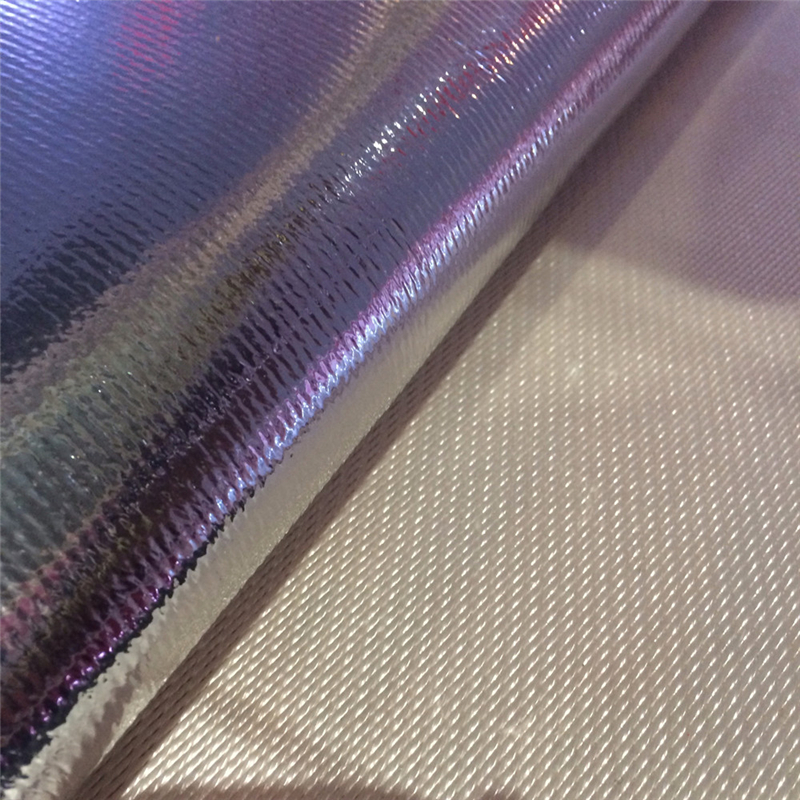
Aluminum Foil Silica Fabric for Exhaust and Automotive Heat Shielding
Exhaust systems generate strong radiant heat that can damage surrounding components. In automotive and engine applications, the protected parts may include wire harnesses, rubber hoses, hydraulic lines, fuel lines, sensors, plastic clips, batteries, floor panels and nearby body structures.
Aluminum foil silica fabric for exhaust heat shielding provides a flexible reflective barrier. It can be used as a raw fabric, wrapped insulation layer, die-cut heat shield, sewn sleeve, thermal cover or laminated barrier panel. For OEM applications, the material can be cut or formed according to drawings, samples or installation space.
| Automotive Area | Heat Risk | Recommended Product Form |
|---|---|---|
| Exhaust pipe area | Radiant heat affecting nearby hoses, wires and panels | Foil laminated silica fabric wrap or heat shield layer |
| Engine bay | Heat from turbocharger, manifold or EGR components | Reflective thermal barrier fabric or die-cut insulation pad |
| Underbody protection | Exhaust heat transferring to floor and surrounding structures | Foil silica fabric heat shield panel or laminated barrier |
| Generator and diesel engine systems | High radiant heat from exhaust and engine components | Insulation blanket outer layer or custom heat shield cover |
| Marine exhaust insulation | Heat control around exhaust lines and engine compartments | Reflective insulation jacket or removable thermal cover |
Aluminum Foil Silica Fabric for Furnace and Industrial Use
In furnace and industrial heat processing environments, radiant heat can affect workers, machinery, control panels, nearby insulation systems and structural parts. A reflective silica fabric can be used as a flexible heat screen or as part of a multi-layer insulation system.
The aluminum foil side should normally face the radiant heat source to improve heat reflection. The silica fabric side provides textile strength, insulation support and fabrication flexibility.
Used near furnace openings to reduce radiant heat exposure and protect nearby working areas.
Applied as reflective thermal barriers around industrial ovens, kilns and heated process equipment.
Used as an outer reflective layer on insulation covers for hot ducts, pipes, flanges and expansion joints.
Protects motors, cables, cylinders, painted surfaces and control boxes from nearby radiant heat sources.
Used as temporary heat shields during repair, welding, cutting and thermal maintenance work.
Converted into sewn covers, pads, blankets or shaped thermal protection parts for industrial equipment.
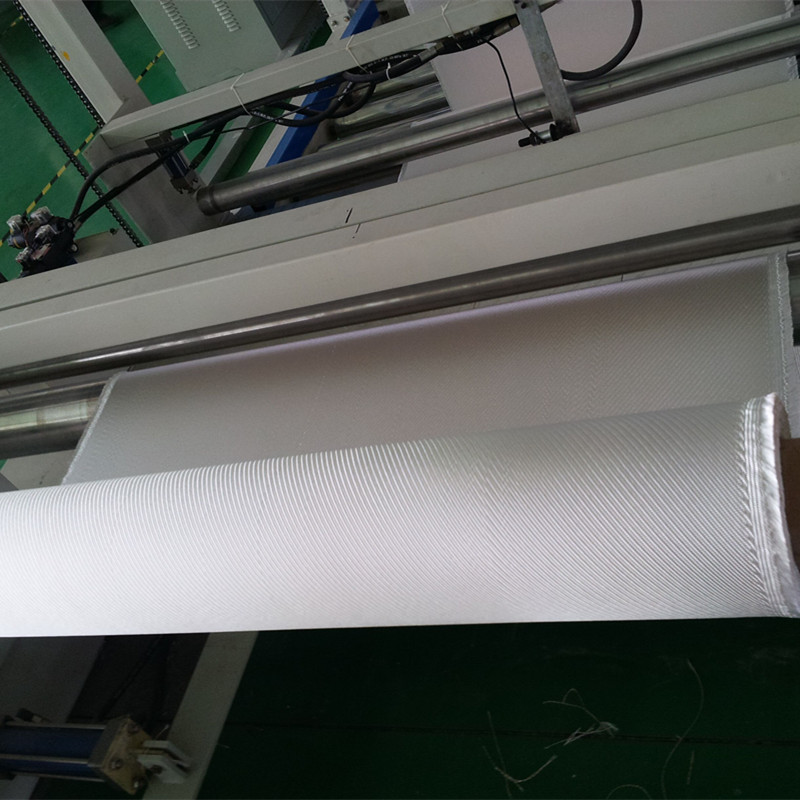
Aluminum Foil Silica Fabric vs Silicone Coated Silica Fabric
Both aluminum foil silica fabric and silicone coated silica fabric are engineered versions of high-temperature silica fabric, but they solve different problems. Aluminum foil is mainly used for radiant heat reflection. Silicone coating is mainly used for abrasion resistance, surface durability and cleaner handling.
| Comparison Point | Aluminum Foil Silica Fabric | Silicone Coated Silica Fabric |
|---|---|---|
| Main function | Radiant heat reflection | Surface durability and abrasion resistance |
| Best heat type | Radiant heat from exhaust, furnace and hot equipment | Repeated handling, abrasion and moderate heat exposure |
| Surface | Reflective aluminum foil | Silicone rubber coating |
| Common use | Heat shields, thermal barriers and insulation panels | Removable insulation jackets, covers and reusable blankets |
| Flexibility | Flexible but depends on foil thickness and lamination | Flexible with improved surface durability |
| Recommended selection | When radiant heat reflection is the priority | When abrasion resistance and repeated handling are the priority |
Aluminum Foil Silica Fabric vs Plain Silica Fabric
Plain silica fabric is selected for heat insulation, welding protection, fire barriers and direct high-temperature resistance. Aluminum foil silica fabric is selected when the material also needs a reflective surface for radiant heat shielding.
| Application Requirement | Recommended Material | Reason |
|---|---|---|
| Welding blanket or fire curtain | Plain silica fabric or vermiculite coated silica fabric | Better suited for sparks, spatter and flame exposure |
| Exhaust radiant heat shielding | Aluminum foil silica fabric | Reflective surface helps reduce radiant heat transfer |
| Furnace insulation layer | Plain high silica fabric | Strong direct thermal resistance |
| Equipment heat shield panel | Aluminum foil laminated silica fabric | Combines heat reflection and flexible insulation support |
| Reusable insulation jacket | Foil laminated or silicone coated silica fabric | Selection depends on whether reflection or surface durability is more important |
How to Choose Aluminum Foil Silica Fabric
The correct aluminum foil silica fabric should be selected based on working temperature, heat type, installation method, fabric flexibility, expected abrasion, adhesive requirement and final product form.
Choose 96% High Silica Fabric Base When:
- The application involves high radiant heat from exhaust, furnace or severe industrial equipment.
- The protected area is close to a hot source and needs a stronger thermal safety margin.
- The finished product will be used in demanding automotive, marine, diesel or industrial environments.
- The buyer requires a premium thermal barrier material for OEM heat shield production.
Choose 70% Silica Fabric Base When:
- The application requires general radiant heat protection but not maximum temperature performance.
- The customer needs a balance between heat protection and material cost.
- The product is used for industrial covers, distributor stock or standard thermal barrier applications.
- The material will be used away from direct flame or molten splash exposure.
Choose Adhesive Backing When:
- The fabric must be applied directly to panels, shields, ducts, equipment surfaces or vehicle parts.
- The installation area is flat or slightly curved and mechanical fastening is difficult.
- The customer requires die-cut pads, peel-and-stick insulation sheets or custom heat shield shapes.
- The product is used as a thermal barrier on panels, enclosures or automotive heat shield assemblies.
Recommended Product Forms
| Product Form | Description | Typical Buyer |
|---|---|---|
| Roll Goods | Foil laminated silica fabric supplied in rolls for cutting, sewing and local fabrication | Distributors, converters and insulation product manufacturers |
| Adhesive Backed Sheets | Foil silica fabric with pressure sensitive adhesive for easier installation | OEM buyers, automotive heat shield suppliers and equipment manufacturers |
| Die-Cut Heat Shields | Custom shapes cut according to drawing, sample or installation area | Automotive, generator, equipment and industrial OEM customers |
| Insulation Jacket Outer Layer | Reflective outer fabric used for removable insulation blankets and covers | Thermal insulation fabricators and exhaust blanket manufacturers |
| Thermal Barrier Panels | Laminated or sewn assemblies used as flexible heat shield barriers | Automotive, marine, power generation and industrial equipment buyers |
What Information Is Needed for a Quotation?
To recommend the correct aluminum foil silica fabric, the supplier needs more than only size and price request. The heat source, installation method and final product structure directly affect the material choice.
- Application: exhaust heat shield, engine bay barrier, furnace curtain, insulation jacket, adhesive sheet or die-cut part.
- Heat exposure: radiant heat, direct contact heat, nearby exhaust temperature, furnace heat or industrial equipment heat.
- Base fabric preference: 96% high silica fabric, 70% silica fabric or customized construction.
- Surface requirement: aluminum foil type, foil thickness, one-side foil or special lamination.
- Backing requirement: with adhesive backing or without adhesive.
- Size requirement: roll width, roll length, cut sheet size, die-cut shape or finished part drawing.
- Fabrication requirement: sewing, edge binding, punching, slitting, laminating, packaging or private label.
- Order type: sample development, trial order, OEM production or distributor stock.
BSTFLEX Manufacturing Capability
BSTFLEX manufactures and supplies aluminum foil silica fabric for radiant heat shielding, exhaust insulation, engine heat barriers, furnace heat screens and industrial thermal protection systems. We can supply raw roll goods, adhesive backed sheets, cut pieces, die-cut parts, sewn covers and OEM heat shield components.
Available options include 96% high silica fabric, 70% silica fabric, aluminum foil laminated silica fabric, silicone coated silica fabric, vermiculite coated silica fabric and adhesive backed silica fabric. Custom fabric weight, thickness, width, foil type, adhesive system, cutting method and packaging are available for OEM projects.
For related high-temperature textile products, visit the BSTFLEX silica fabric product page.
Request Aluminum Foil Silica Fabric for Radiant Heat Shielding
Need aluminum foil silica fabric for exhaust heat shielding, engine bay protection, furnace insulation, equipment barriers or custom thermal protection parts? Send your application details, and BSTFLEX can recommend the correct base fabric, foil structure, adhesive option and finished construction.
- 96% high silica fabric and 70% silica fabric options
- Aluminum foil laminated surface for radiant heat reflection
- Adhesive backed sheets, roll goods, cut pieces and die-cut parts
- Custom thickness, width, foil type, backing and finished shape
- OEM fabrication, private label packaging and sample-based development
Conclusion
Aluminum foil silica fabric is an effective material for radiant heat shielding because it combines the thermal stability of silica fabric with the reflective surface of aluminum foil. It is widely used for exhaust heat shields, engine bay barriers, furnace heat screens, insulation jacket outer layers and industrial thermal barrier systems.
For severe heat environments, aluminum foil laminated 96% high silica fabric provides stronger thermal performance. For standard radiant heat protection and cost-sensitive projects, aluminum foil laminated 70% silica fabric may be suitable. When fast installation is required, adhesive backed aluminum foil silica fabric can be supplied as sheets, pads or die-cut heat shield parts.
BSTFLEX can supply the material as roll goods, cut sheets, adhesive backed sheets, die-cut parts, sewn covers or custom OEM heat shield assemblies according to your drawing, sample and working environment.
FAQ: Aluminum Foil Silica Fabric
What is aluminum foil silica fabric used for?
Aluminum foil silica fabric is used for radiant heat shielding, exhaust insulation, engine bay protection, furnace heat screens, industrial equipment barriers and removable insulation cover outer layers.
Why is aluminum foil laminated to silica fabric?
Aluminum foil is laminated to silica fabric to provide a reflective surface for radiant heat shielding. The silica fabric base provides high-temperature resistance, flexibility and fabrication strength.
Is aluminum foil silica fabric better than plain silica fabric?
For radiant heat shielding, aluminum foil silica fabric is usually better because the foil surface reflects radiant heat. For welding spatter, flame exposure or direct insulation, plain or vermiculite coated silica fabric may be more suitable.
Can aluminum foil silica fabric be adhesive backed?
Yes. BSTFLEX can supply adhesive backed aluminum foil silica fabric for panels, ducts, equipment surfaces, automotive heat shields and custom die-cut thermal barrier parts.
Which side should face the heat source?
In most radiant heat shielding applications, the aluminum foil side should face the heat source to reflect radiant heat away from the protected component.
Can aluminum foil silica fabric be customized?
Yes. BSTFLEX can customize the base silica fabric, foil type, adhesive backing, width, thickness, roll length, cut size, die-cut shape, sewing, packaging and OEM heat shield construction.


 Rede IPv6 suportada