O Que É uma Manga de Sílica e Para Que Ela é Usada?
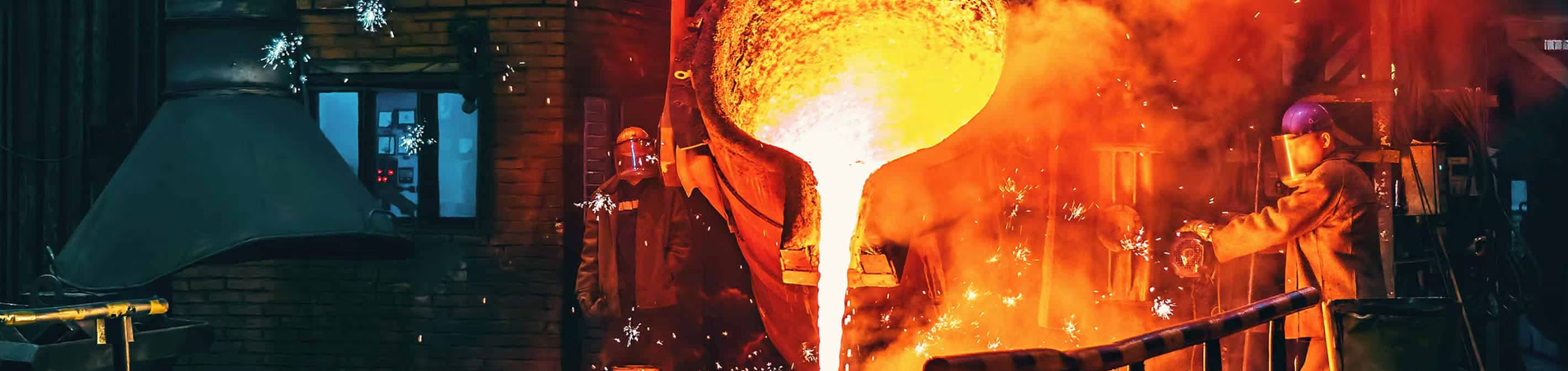
Uma manga de sílica é um tecido tubular flexível usado quando mangueiras, cabos, fios, tubos ou outros componentes devem operar próximos a temperaturas muito severas para proteção convencional de polímero. Em vez de refletir o calor a partir de uma superfície rígida, a manga envolve o componente com uma camada de fibra à base de sílica, criando separação térmica entre a peça protegida e a fonte de calor ao redor.
O material é comumente encontrado ao redor de equipamentos de exaustão, fornos industriais, máquinas de fundição, linhas de processo quentes, motores e sistemas elétricos de alta temperatura. Ele pode ser fabricado como tubo trançado compacto ou a partir de fio texturizado mais volumoso, permitindo que a construção seja adaptada a diferentes requisitos de flexibilidade, espessura de isolamento e espaço de instalação.
Para engenheiros que comparam materiais de revestimento para altas temperaturas, o ponto importante é que uma manga de sílica não é simplesmente outro tubo de fibra de vidro. Seu valor está no comportamento térmico da fibra rica em sílica e na maneira como essa fibra é transformada em uma manga utilizável para instalações industriais difíceis.
A BSTFLEX fabrica diferentes construções de manga de sílica e revestimento de sílica para aplicações de proteção térmica, incluindo designs trançados e texturizados.
O Que Exatamente é um Revestimento de Sílica?
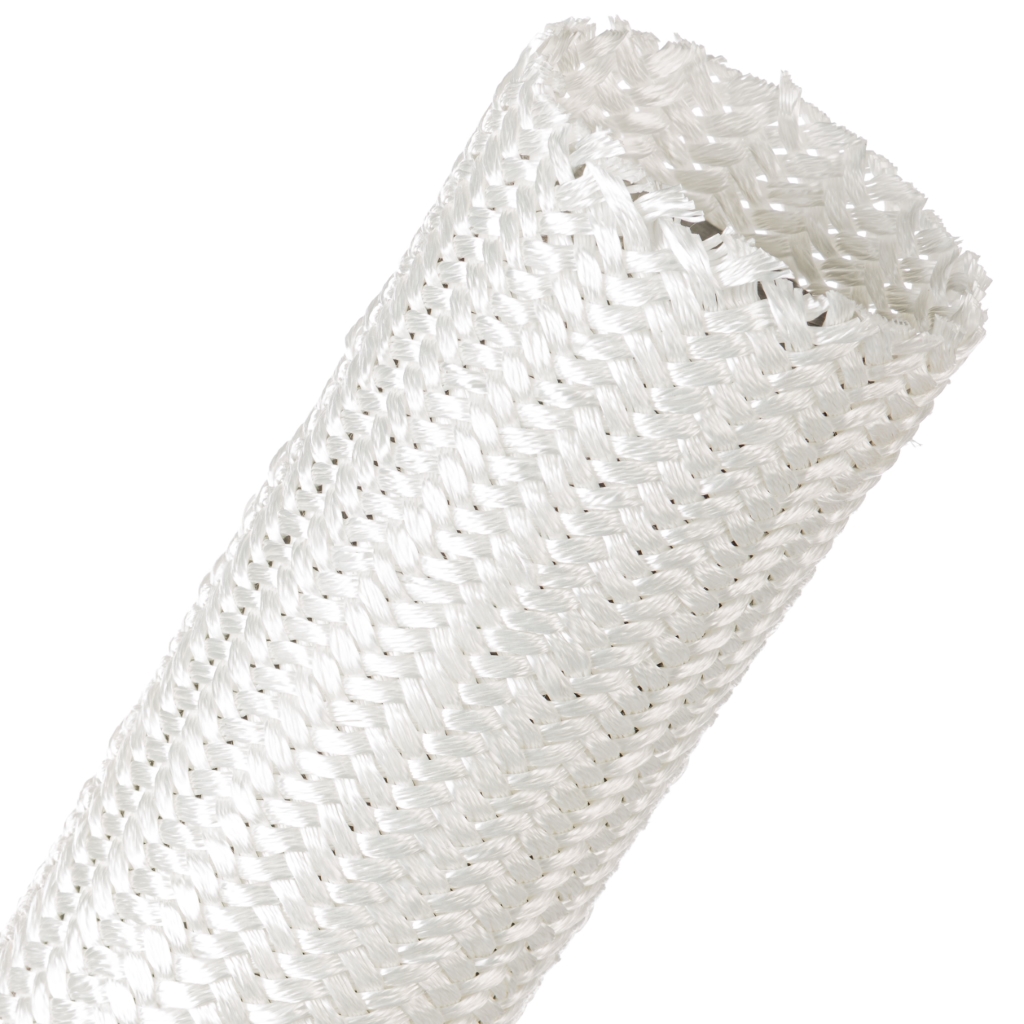
O revestimento de sílica é feito convertendo fios de fibra de sílica resistentes ao calor em um tubo têxtil oco. Esse tubo pode então ser colocado sobre uma mangueira, cabo, conjunto de fios ou tubo antes que o conjunto seja instalado.
Ao contrário de um tecido de isolamento plano, uma manga fornece cobertura circunferencial. O componente protegido é envolvido em vez de ser protegido apenas de uma direção. Isso é útil em equipamentos onde o calor pode chegar de várias superfícies próximas ou onde a mangueira ou cabo muda de direção durante a instalação.
Uma forma tubular flexível também elimina muitos dos problemas de fixação associados aos materiais de isolamento planos. Depois que o diâmetro interno correto é selecionado, a manga acompanha o trajeto do componente abaixo dela.
Dependendo de sua construção, o revestimento de sílica pode ser usado principalmente como:
- uma barreira térmica ao redor de mangueiras e linhas de fluidos
- proteção contra altas temperaturas para cabos elétricos e fios
- isolamento flexível ao redor de tubulações quentes
- proteção para componentes próximos a sistemas de exaustão
- uma camada térmica ao redor de instrumentação de fornos
- proteção têxtil de alta temperatura em equipamentos de processamento de metais
Por Que a Fibra de Sílica é Usada em Vez de Fibra Têxtil Comum?
O ambiente ao redor de um tubo de exaustão, forno ou máquina de fundição é fundamentalmente diferente do ambiente ao redor de um chicote de cabos normal.
Fibras têxteis orgânicas e muitos tubos protetores à base de polímero começam a perder propriedades úteis à medida que a temperatura aumenta. A fibra de vidro padrão pode suportar consideravelmente mais calor, e é por isso que a fibra de vidro é amplamente usada em isolamento térmico. Para exposições térmicas mais severas, a fibra rica em sílica oferece outro nível de capacidade de temperatura.
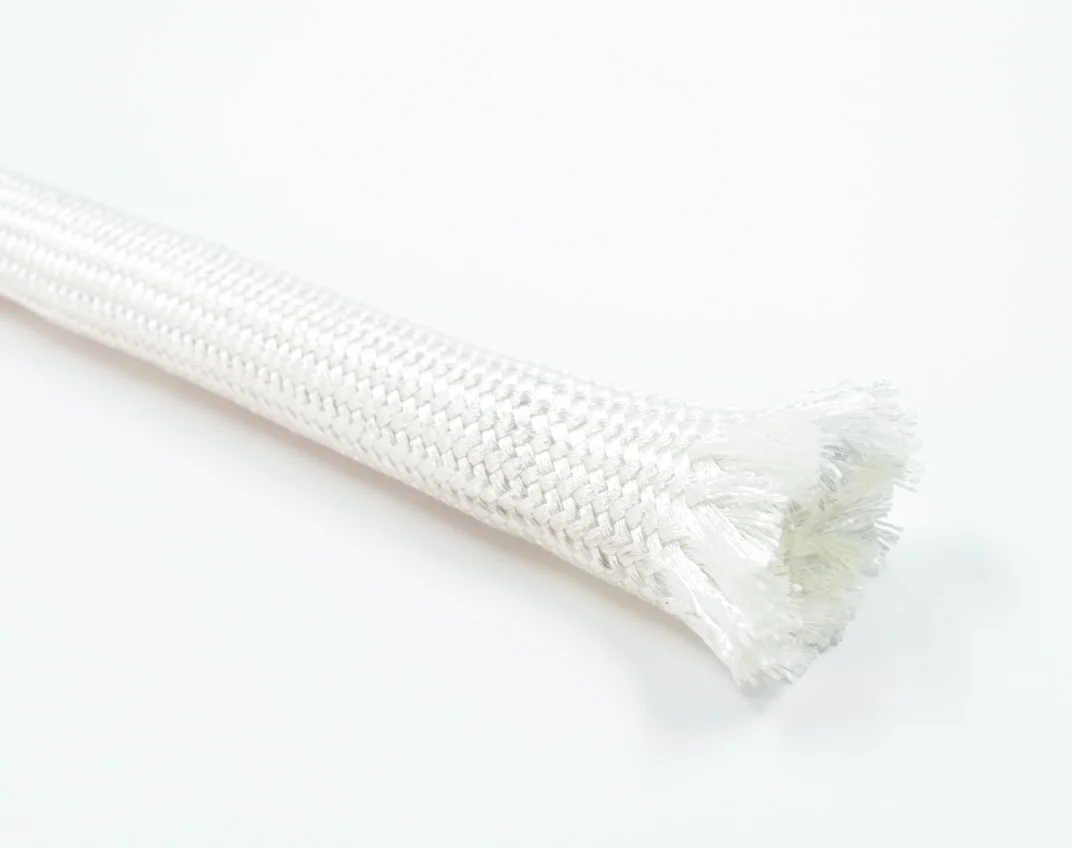
A fibra de sílica é particularmente útil porque combina a resistência ao calor da fibra mineral com a capacidade de ser processada em fio. Esse fio pode ser trançado ou texturizado em vez de ser formado apenas em isolamento rígido.
O resultado é uma manga de alta sílica que pode permanecer flexível o suficiente para acompanhar:
- mangueiras hidráulicas curvas
- conjuntos de cabos
- fiação de sensores
- tubos de pequeno diâmetro
- linhas de motores
- roteamentos irregulares de equipamentos
Essa combinação de capacidade térmica e flexibilidade têxtil explica por que a manga de fibra de sílica é usada em instalações onde uma placa de isolamento rígida ou uma proteção metálica seria difícil de encaixar.
Como uma Manga de Sílica Protege um Componente?
Uma mangueira não precisa tocar uma superfície incandescente para sofrer danos causados pelo calor.
Considere uma linha hidráulica instalada ao lado de um tubo de exaustão. Pode haver vários centímetros de distância entre os dois componentes, mas a radiação térmica do escapamento pode aumentar continuamente a temperatura da superfície da mangueira. Com o tempo, o aquecimento repetido pode acelerar o envelhecimento da cobertura da mangueira e dos materiais ao redor.
Quando o revestimento de sílica é instalado ao redor da linha hidráulica, o calor deve passar pela manga antes de alcançar a mangueira abaixo dela.
A manga não refrigera a mangueira e não elimina o calor. Sua finalidade é reduzir a taxa na qual a energia térmica chega ao componente protegido.
Três condições de transferência de calor são particularmente relevantes.
Calor Radiante
Tubos de escape quentes, paredes de fornos, coletores e equipamentos de processo irradiam energia térmica em direção aos componentes próximos.
Uma camada de isolamento de sílica entre a fonte de calor e o componente reduz a exposição direta da mangueira ou cabo subjacente. Esse tipo de proteção é particularmente importante quando um componente passa próximo a uma superfície quente sem tocá-la fisicamente.
Calor de Contato
Se um componente com manga tocar uma superfície quente, o calor pode passar por condução.
Essa é uma condição mais severa do que muitas instalações com calor radiante. A espessura da parede, a área de contato, o tempo de exposição e a temperatura real da superfície tornam-se importantes ao avaliar se uma manga é adequada.
Ar Ambiente Quente
Componentes localizados dentro de compartimentos de motores, fornos, estufas e invólucros industriais também podem ser cercados por ar muito quente.
Nessas condições, toda a superfície externa da manga fica exposta, em vez de apenas um lado voltado para uma fonte de calor. Portanto, o tempo de exposição contínua torna-se uma parte importante da seleção do produto.
Por que a Construção Trançada é Comum para Mangas de Sílica
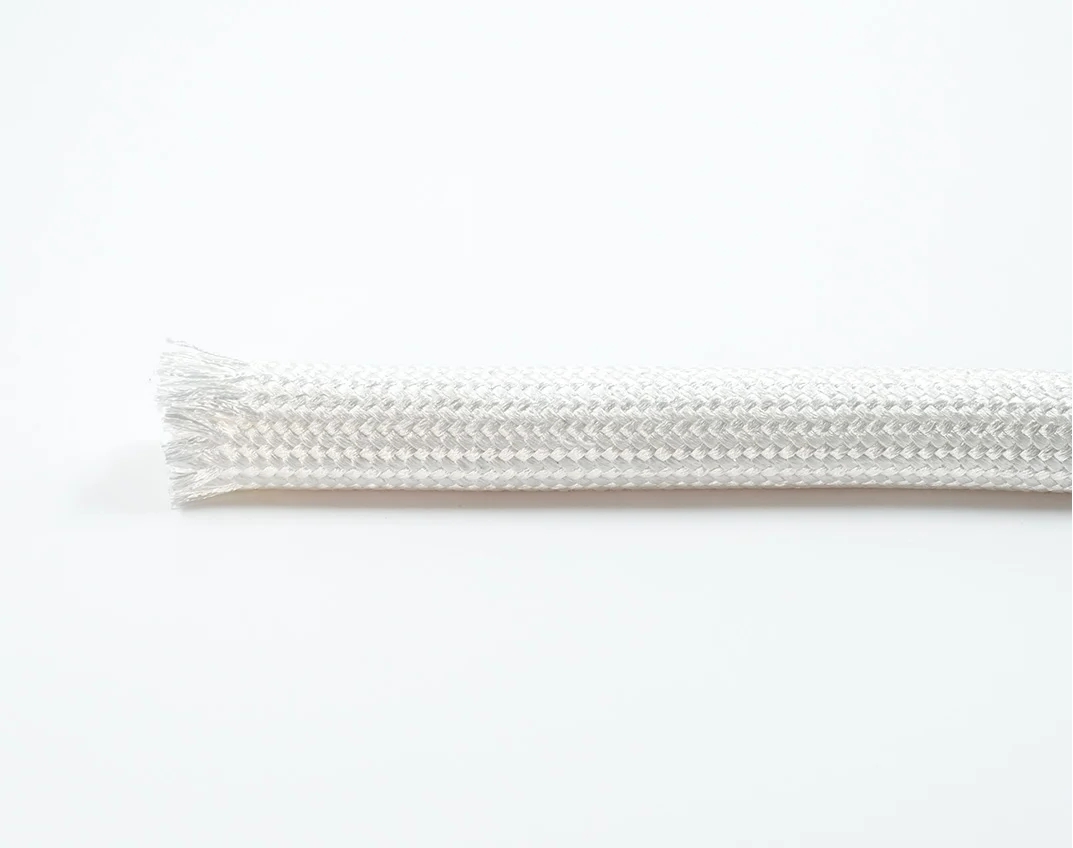
Uma coleção solta de fibras de sílica seria difícil de instalar sobre uma mangueira ou cabo. A trança organiza o fio em uma estrutura tubular estável, mantendo a capacidade de dobrar.
Em uma manga trançada de sílica, vários fios de sílica se cruzam ao redor da circunferência do tubo. A geometria mantém a manga unida sem exigir uma jaqueta externa pesada de polímero.
Essa construção é útil quando a instalação inclui movimento, curvas ou espaço limitado.
As instalações típicas de mangas trançadas incluem:
- conjuntos de mangueiras hidráulicas
- fiação de motores
- cabo industrial
- linhas de combustível e fluidos
- cabos de sensores
- pequenos tubos de processo
- componentes próximos ao escape
Para essas aplicações, a BSTFLEX fornece uma Manga Trançada de Sílica Resistente a Altas Temperaturas. Sua especificação de produto lista resistência máxima à temperatura de até 1.200°C ou 2.192°F para a construção especificada.
O que é uma Manga de Sílica Texturizada?
A trança não é a única maneira de construir mangas para altas temperaturas.
O fio de sílica também pode ser texturizado para que o feixe de fibras se torne mais volumoso. O volume adicional cria uma estrutura têxtil mais espessa contendo mais pequenos espaços de ar dentro da massa de fibras.
Isso é útil quando o problema principal não é simplesmente a exposição do material ao calor, mas limitar a transferência de calor em direção ao componente abaixo.
Uma construção texturizada pode, portanto, ser considerada onde um maior volume de isolamento é desejável ao redor de:
- tubo quente
- mangueira industrial
- cabo
- linha de motor
- equipamento de processo
A BSTFLEX oferece uma Manga de Sílica Texturizada para Isolamento Térmico projetado em torno desse tipo de requisito de isolamento. A especificação atual do produto lista resistência contínua à temperatura de até 1.000°C ou 1.832°F para essa construção.
Para Que Serve uma Manga de Sílica?
A manga de sílica não está ligada a um único setor. O fator comum é a presença de um componente que deve funcionar próximo a uma fonte intensa de calor.
Em instalações práticas, o componente protegido geralmente é muito mais sensível à temperatura do que o material de sílica ao seu redor. Proteger esse componente pode reduzir a deterioração prematura e simplificar o gerenciamento térmico em áreas onde o roteamento não pode ser afastado da fonte de calor.
Manga de Sílica para Mangueiras Hidráulicas
As mangueiras hidráulicas frequentemente passam por equipamentos que contêm sistemas de fluidos de alta pressão e fontes potentes de calor.
Usinas siderúrgicas, fundições, máquinas de construção, prensas industriais, motores e equipamentos móveis são exemplos típicos.
O fluido hidráulico em si pode estar operando dentro de uma faixa de temperatura aceitável enquanto a parte externa da mangueira fica exposta a um calor muito maior proveniente de máquinas próximas.
Uma manga de sílica para mangueira hidráulica cria uma camada adicional de alta temperatura ao redor da cobertura da mangueira.
Isso pode ser particularmente útil onde as linhas hidráulicas passam próximas a:
- coletores de escape
- tubulações de escape de diesel
- fornos
- áreas de fundição
- ferramentas aquecidas
- equipamentos de processo aquecidos
O diâmetro da manga deve ser escolhido com base no diâmetro externo real do conjunto da mangueira, e não no diâmetro nominal interno da mangueira.
Se a manga precisar passar por cima de um acoplamento durante a montagem, o diâmetro do acoplamento pode se tornar a dimensão determinante.
Manga de Sílica para Proteção de Cabos
Um cabo elétrico pode falhar muito antes de um componente metálico próximo atingir uma temperatura problemática.
A limitação geralmente é o isolamento do cabo, a capa, o conector ou a terminação, e não o próprio condutor.
Isso torna o roteamento de cabos próximo a equipamentos de escape e fornos industriais um problema recorrente de projeto térmico.
Uma manga de sílica de alta temperatura pode fornecer uma camada protetora flexível ao redor de:
- cabo de alimentação
- cabo de controle
- cabo de instrumentação
- fiação de termopar
- cabo de sensor
- fiação do motor
- feixes de cabos
A manga não deve ser automaticamente tratada como isolamento elétrico, a menos que o produto específico tenha sido testado e especificado para essa função elétrica. Proteção térmica e isolamento elétrico dielétrico são requisitos de engenharia distintos.
Manga de Sílica para Fios e Chicotes Elétricos
Fios individuais e chicotes elétricos frequentemente precisam passar por espaços compactos onde uma proteção rígida convencional não caberia.
Isso é comum em instalações automotivas, de geradores, motores e controles industriais.
Uma pequena manga trançada de fibra de sílica pode acompanhar o trajeto da fiação enquanto adiciona relativamente pouca complexidade ao conjunto.
Locais potenciais incluem fiações próximas a:
- turbocompressores
- coletores de escape
- superfícies quentes do motor
- aquecedores industriais
- aberturas de fornos
- linhas de processo aquecidas
Para projetos de fiação OEM, o diâmetro final do chicote, os conectores, os pontos de derivação e a sequência de instalação devem ser considerados antes de determinar as dimensões da manga.
Manga de sílica ao redor de sistemas de escape
Aplicações de escape exigem uma distinção clara entre dois trabalhos diferentes.
Proteção de um componente localizado próximo a um tubo de escape
Nesse arranjo, a manga de sílica é colocada ao redor da mangueira, cabo ou fio que precisa de proteção.
O escape permanece descoberto.
O objetivo é reduzir a quantidade de calor do escape que chega ao componente protegido.
Exemplos típicos incluem:
- linhas hidráulicas ao lado de escapes de diesel
- fiação próxima a um coletor de escape
- cabo de sensor ao redor de um turbocompressor
- mangueira de fluido próxima a um tubo de descida
Isolamento do próprio tubo de escape
Este é um problema térmico diferente.
Se uma manga de sílica adequada for instalada diretamente ao redor de um tubo de escape, a manga se torna parte de um sistema de contenção de calor. A transferência de calor do tubo quente para o compartimento ao redor é a principal preocupação.
O engenheiro então precisa considerar o diâmetro do tubo, a temperatura da superfície, a temperatura do gás, a espessura do isolamento, a vibração, o fluxo de ar e a temperatura externa desejada.
Uma manga adequada para proteger um cabo próximo a um escape não deve, portanto, ser automaticamente considerada a construção correta para o isolamento direto de um tubo de escape.
Manga de sílica em fornos e equipamentos de tratamento térmico
As aplicações em fornos ilustram por que a seleção de temperatura deve ser baseada na localização da manga, em vez da temperatura nominal do forno.
Um forno de tratamento térmico pode ter uma câmara interna operando em temperatura muito alta, enquanto cabos externos de termopares, cabos elétricos e mangueiras de serviço sofrem uma carga térmica contínua, porém menor.
A manga de sílica é usada ao redor desses componentes externos porque eles ainda precisam de proteção contra:
- calor radiante do forno
- trabalho em metal aquecido
- vazamento de ar quente
- ciclagem térmica repetida
As possíveis aplicações incluem fiação de queimadores, cabos de instrumentação, conexões de mangueiras e tubulações externas de processo.
Manga de sílica em fundições
Uma fundição combina vários riscos térmicos em uma única área de produção.
Fornos, cadinhos, equipamentos de fundição e metal recém-processado podem criar calor radiante significativo. Sistemas hidráulicos e controles elétricos podem ter que operar próximos a esses processos porque afastá-los nem sempre é prático.
Uma manga com alto teor de sílica pode ser usada como parte do sistema de proteção térmica ao redor de mangueiras e cabos que trabalham nessas zonas.
Uma distinção é importante: resistência a altas temperaturas não significa automaticamente resistência a respingos de metal fundido.
Se ferro fundido, alumínio, aço ou outro metal fundido puder entrar em contato diretamente com a manga, a aplicação deve ser avaliada para o risco específico de respingos. O tipo de metal, a temperatura do metal, a quantidade de respingos, a construção da manga e o tratamento da superfície podem alterar o resultado.
Uma manga de sílica simples não deve, portanto, ser especificada para exposição a respingos de metal fundido apenas porque a fibra de sílica pode suportar altas temperaturas.
Revestimento de Sílica para Proteção de Tubos Industriais
Tubos e tubulações pequenos e quentes podem criar problemas térmicos localizados em todo o maquinário industrial.
Eles podem transportar gases quentes, fluidos ou meios de processo enquanto operam próximos a cabos, controles, mangueiras ou áreas de acesso de pessoal.
O revestimento de sílica pode ser usado onde o isolamento têxtil flexível é mais prático do que blindagem de chapa metálica fabricada.
Exemplos incluem:
- tubulação de processo quente
- tubulação de geradores
- conexões de fornos
- linhas de motores
- equipamentos de laboratório
- linhas de exaustão industriais
Para isolamento direto de tubos, o projetista deve avaliar não apenas a temperatura máxima da fibra, mas também a temperatura desejada da superfície externa e a quantidade de perda de calor que pode ser aceita.
Usos Automotivos para Manga de Fibra de Sílica
Os compartimentos modernos de motores contêm mais componentes eletrônicos, sensores, circuitos de fluidos e equipamentos de controle de emissões em uma quantidade limitada de espaço.
Ao mesmo tempo, turbocompressores, coletores de escape e sistemas de pós-tratamento criam fontes concentradas de calor.
O revestimento de sílica pode ser usado onde uma barreira térmica flexível é necessária ao redor de componentes individuais, como:
- fiação de sensores
- chicotes do motor
- mangueiras de fluidos
- tubos pequenos
- linhas adjacentes a turbocompressores
- componentes instalados próximos a coletores de escape
A seleção automotiva também deve considerar vibração, abrasão, fluidos, contaminação das estradas e movimento durante a instalação. A resistência à temperatura, por si só, não descreve o ambiente operacional completo.
Usos Industriais para Manga de Alta Sílica
O maquinário industrial cria uma gama muito mais ampla de condições do que uma única classificação de temperatura pode representar.
Mangas de alta sílica podem ser encontradas em equipamentos usados para:
- processamento de metais
- produção de aço
- operações de fundição
- tratamento térmico
- fabricação de vidro
- geração de energia
- fornos industriais
- maquinário pesado
- sistemas de motores
- processamento térmico
Em muitas dessas instalações, o motivo para usar uma manga é simples: a mangueira, o cabo ou o fio deve permanecer onde está, mas o ambiente térmico ao redor é severo demais para que o componente permaneça sem proteção.
Temperatura da Manga de Sílica: Por Que Um Número Pode Ser Enganoso
As classificações de temperatura são úteis, mas frequentemente são mal compreendidas.
Suponha que um material de fibra de sílica seja capaz de sobreviver a uma determinada temperatura elevada. Isso não significa que uma mangueira coberta com o material possa operar indefinidamente ao lado de uma fonte de calor exatamente à mesma temperatura.
Várias temperaturas diferentes podem existir em uma instalação:
- temperatura da fonte de calor
- temperatura do ar ao redor da manga
- temperatura na superfície externa da manga
- temperatura sob a manga
- temperatura máxima permitida do componente protegido
Esses valores não são intercambiáveis.
O desempenho térmico de um conjunto com manga também pode mudar de acordo com:
- distância da fonte de calor
- duração da exposição
- espessura da parede da manga
- construção das fibras
- fluxo de ar
- contato direto com a superfície quente
- diâmetro do componente protegido
- aperto da instalação
Por esse motivo, uma consulta de aplicação útil deve fornecer mais do que uma classificação de temperatura solicitada.
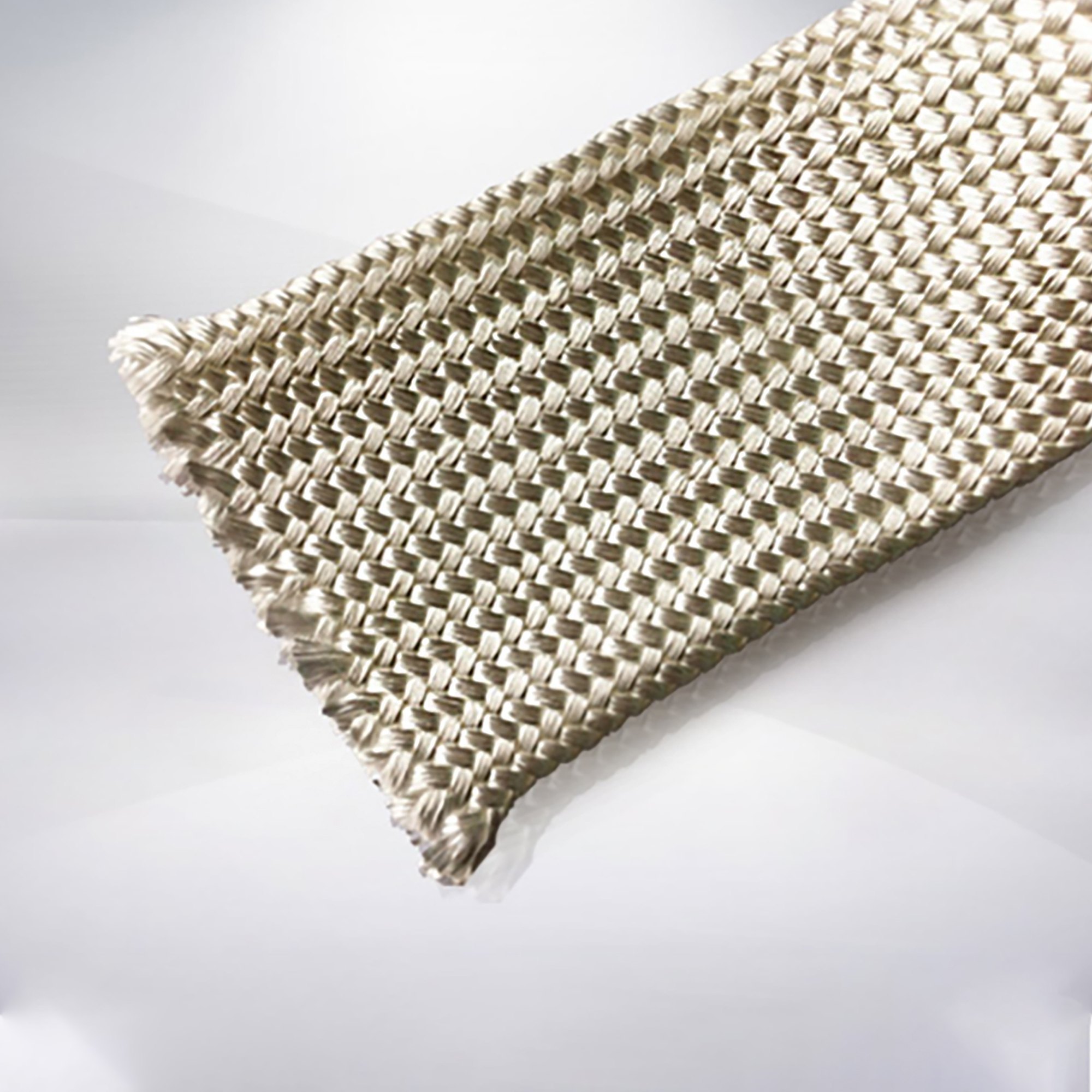
Manga de Sílica de Alta Pureza vs Manga de Fibra de Vidro Padrão
A manga de sílica e a manga de fibra de vidro pertencem à mesma família geral de materiais têxteis inorgânicos de proteção, mas não devem ser tratadas como idênticas.
A fibra de vidro continua sendo um material prático e econômico para um grande número de aplicações industriais de proteção contra calor. Onde a exposição térmica ultrapassa a faixa útil da fibra de vidro padrão, um sistema de fibras rico em sílica pode fornecer capacidade adicional para altas temperaturas.
| Fator de seleção | Manga de Sílica de Alta Pureza | Manga de Fibra de Vidro Padrão |
|---|---|---|
| Família de materiais | Fibra mineral rica em sílica | Fibra de vidro convencional |
| Capacidade para altas temperaturas | Selecionada para exposições térmicas mais severas | Adequada para muitas aplicações gerais de alta temperatura |
| Construção tubular flexível | Disponível | Disponível |
| Proteção de mangueiras e cabos | Adequada | Adequada |
| Ambientes térmicos extremos | Frequentemente preferida | Depende do requisito real de temperatura |
| Custo do material | Geralmente mais alto | Geralmente mais econômico |
Portanto, o material melhor é aquele que corresponde à carga térmica real. Usar sílica onde a fibra de vidro comum já oferece desempenho térmico suficiente pode adicionar custo sem resolver um problema adicional.
Quando uma manga de isolamento de sílica é a escolha certa?
A manga de sílica merece consideração quando várias das seguintes condições estão presentes:
- o componente opera próximo a uma fonte de calor intensa
- a fibra de vidro padrão não fornece mais margem térmica suficiente
- o componente protegido deve permanecer flexível
- um escudo térmico rígido não consegue acompanhar facilmente a instalação
- o espaço ao redor da mangueira ou cabo é limitado
- a manga precisa acompanhar curvas ou roteamentos irregulares
- a aplicação envolve calor de forno ou escape
- a exposição térmica contínua é mais importante do que o contato breve com chamas
A sílica não é automaticamente o material preferido quando a vedação contra óleo, impermeabilização, desempenho dielétrico elétrico ou proteção contra respingos de material fundido é o requisito principal. Outras construções de mangas ou revestimentos podem ser mais adequados para esses riscos.
Como o diâmetro da manga de sílica é selecionado?
O diâmetro interno é uma das causas mais comuns de problemas durante a instalação da manga.
Para um trecho reto de mangueira sem conexões, a dimensão inicial normalmente é o diâmetro externo da mangueira.
A situação muda quando a manga precisa ser instalada sobre uma mangueira ou cabo montado.
O maior objeto pelo qual a manga deve passar pode ser:
- um acoplamento hidráulico
- uma ponteira de mangueira
- um conector elétrico
- uma terminação de cabo
- uma conexão de tubo
Uma mangueira nominal de 25 mm, por exemplo, não deve receber automaticamente uma manga de 25 mm se a manga precisar passar sobre uma conexão significativamente maior.
O método de instalação deve, portanto, ser definido antes de finalizar o diâmetro da manga.
Uma manga de sílica mais espessa sempre isola melhor?
Mais volume de isolamento pode reduzir a transferência de calor, mas a resposta prática é mais complexa do que simplesmente escolher a manga mais espessa disponível.
Aumentar a espessura da manga também aumenta:
- diâmetro externo
- uso de material
- peso
- espaço de instalação
- dificuldade ao redor de curvas apertadas
Uma manga de isolamento pesada pode ser adequada ao redor de um tubo quente estacionário, enquanto uma construção desnecessariamente volumosa pode criar problemas em um conjunto de mangueira móvel.
A manga correta equilibra o desempenho térmico com a geometria de instalação.
Trançada ou texturizada: qual manga de sílica deve ser usada?
Essas construções resolvem problemas ligeiramente diferentes.
| Requisito da aplicação | Direção provável |
|---|---|
| Proteção compacta de mangueira | Manga trançada de sílica |
| Proteção flexível de cabos | Manga trançada de sílica |
| Alto volume de isolamento | Manga texturizada de sílica |
| Isolamento de tubos quentes | Construção texturizada ou com parede mais espessa |
| Roteamento complexo de mangueiras | Construção trançada |
| Isolamento térmico industrial contínuo | Seleção baseada na estrutura de parede necessária |
A completa BSTFLEX linha de mangas de sílica para alta temperatura pode ser analisada antes de escolher entre essas construções.
Quais informações devem ser fornecidas ao selecionar mangas de sílica?
A recomendação de produto mais útil geralmente começa pelo equipamento, e não pela manga.
Para um novo projeto industrial ou OEM, forneça:
- o que precisa ser protegido
- diâmetro externo da mangueira, cabo, fio ou tubo
- diâmetro máximo do conector ou encaixe
- tipo de fonte de calor
- temperatura da fonte de calor
- distância entre o componente protegido e a fonte de calor
- temperatura operacional contínua ao redor da manga
- temperatura de pico e duração da exposição
- se ocorre contato direto
- comprimento necessário da manga
- se o componente se move ou vibra
- presença de óleo, produtos químicos ou respingos de material fundido
- quantidade estimada de produção
Com esses detalhes, o diâmetro da manga, a construção e o nível de isolamento podem ser avaliados em relação à condição real de operação, em vez de escolher um material apenas com base em um valor de temperatura.
Produtos de mangas de sílica da BSTFLEX
A BSTFLEX fornece atualmente duas construções diferentes de mangas de sílica para proteção em altas temperaturas.
Manga trançada de sílica resistente a altas temperaturas
Esta construção utiliza fibra de sílica trançada para fornecer uma manga tubular flexível e mecanicamente estável. Ela é destinada a mangueiras, cabos, fios e componentes que operam em ambientes térmicos severos.
Veja a manga trançada de sílica resistente a altas temperaturas
Manga texturizada de sílica para isolamento térmico
Esta construção utiliza fibra de sílica texturizada onde um maior volume de isolamento é desejável. É adequada para aplicações envolvendo mangueiras, cabos, tubos e equipamentos submetidos a exposição prolongada a altas temperaturas.
Veja a manga texturizada de sílica para isolamento térmico
Perguntas frequentes
O que é uma manga de sílica?
Uma manga de sílica é um material tubular flexível de proteção térmica fabricado com fios de fibra ricos em sílica. Ela é instalada ao redor de mangueiras, cabos, fios, tubos e outros componentes que operam próximos a equipamentos de alta temperatura.
Para que a manga de sílica é usada principalmente?
A manga de sílica é usada principalmente para reduzir a exposição ao calor ao redor de mangueiras, linhas hidráulicas, cabos elétricos, fiações e tubos. As aplicações típicas incluem sistemas de escape, fornos, fundições, motores, equipamentos de tratamento térmico e máquinas industriais.
A manga de sílica é adequada para mangueira hidráulica?
Sim. A manga de sílica pode ser usada ao redor de mangueiras hidráulicas expostas a calor intenso por radiação ou ao ambiente. O diâmetro real da mangueira, o tamanho do acoplamento, o movimento e a localização da fonte de calor devem ser considerados antes de selecionar a manga.
A manga de sílica pode proteger cabos elétricos?
Sim. As mangas de fibra de sílica são usadas ao redor de cabos de alimentação, fios de sensores, chicotes elétricos e cabos de instrumentação localizados próximos a equipamentos de alta temperatura. A proteção térmica não deve ser confundida com isolamento elétrico dielétrico, a menos que essa propriedade seja especificamente testada para o produto.
A manga de sílica pode ser usada próxima a sistemas de escape?
Sim. Ela pode proteger mangueiras, cabos e fios posicionados próximos a tubos de escape, coletores e turbocompressores. Algumas construções também podem ser usadas como parte do isolamento direto de tubos de escape, mas essa é uma condição térmica diferente e deve ser avaliada separadamente.
Qual é a diferença entre manga de sílica trançada e texturizada?
A manga de sílica trançada usa fios entrelaçados para criar um tubo flexível e dimensionalmente estável. A manga de sílica texturizada usa fios de fibra mais volumosos para criar maior volume de isolamento. A construção preferida depende do espaço disponível, do isolamento necessário e das condições mecânicas.
A manga de alta sílica é melhor que a manga de fibra de vidro?
A manga de alta sílica geralmente é selecionada quando a aplicação exige maior capacidade de alta temperatura do que a fibra de vidro padrão pode fornecer. A fibra de vidro continua sendo uma opção prática e econômica quando sua faixa térmica é suficiente.
Que temperatura a manga de sílica pode suportar?
A classificação depende da fibra e da construção exatas. A manga de sílica trançada da BSTFLEX é especificada para resistência máxima à temperatura de até 1.200°C, enquanto a especificação atual da manga de sílica texturizada indica resistência contínua à temperatura de até 1.000°C. As condições reais de serviço ainda devem ser avaliadas separadamente da temperatura máxima do material.
Como escolher o tamanho correto da manga de sílica?
Meça o diâmetro externo máximo que a manga deve cobrir. Para uma mangueira ou cabo montado, esse diâmetro pode ser o encaixe ou conector, e não o corpo da própria mangueira. A folga de instalação e a construção da manga também devem ser consideradas.
A manga de sílica pode ser personalizada?
Sim. Projetos industriais podem exigir diferentes diâmetros internos, construções, comprimentos, peças cortadas, embalagens e especificações OEM. As informações da aplicação devem ser fornecidas para que a manga possa ser adequada ao equipamento real.
Precisa de uma Manga de Sílica para uma Aplicação de Alta Temperatura?
Envie à BSTFLEX o diâmetro externo do componente, o tamanho máximo do encaixe, a temperatura de operação, a temperatura da fonte de calor, a distância de instalação, o comprimento necessário e a quantidade. Para aplicações difíceis, inclua um desenho ou fotografia mostrando a mangueira, o cabo ou o tubo em relação à fonte de calor.


 Rede IPv6 suportada